Ice dam prevention roof care starts long before the first hard freeze. Here on the Eastside, a cold snap after wet snow can turn your roof into a problem overnight: snow melts, refreezes at the eaves, and traps water that pushes up under the shingles. That is how a ceiling stain in Kirkland or Bellevue becomes a repair bill. This guide from Prosperity Roofing walks through what causes ice dams, how to stop them, and when to call a licensed roofer.
What an ice dam actually is
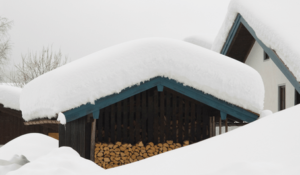
An ice dam is a ridge of ice that builds up at the edge of a roof and stops melting snow from draining. Warm air leaking into the attic heats the upper roof, the snow there melts, and the water runs down to the cold eaves where it refreezes. Layer after layer, the ice grows into a dam. The water pooling behind it has nowhere to go, so it backs up under the shingles and finds its way into the attic, walls, and ceilings.
Why Eastside homes get ice dams
Kirkland, Bellevue, Renton, and the rest of King County do not see brutal winters, but we get enough freezing nights after snowfall for ice dams to form. The homes most at risk usually share the same weak spots:
- Thin or settled attic insulation that lets heat reach the roof deck.
- Air leaks around recessed lights, bath fans, and the attic hatch.
- Blocked or missing ventilation that keeps the roof warmer than the outside air.
- Clogged gutters full of Pacific Northwest leaves and needles, so meltwater cannot drain.
How to prevent ice dams on your roof
Effective ice dam prevention roof work comes down to one idea: keep the entire roof cold and evenly temperatured so snow melts from the sun, not from your heat. Here is how homeowners get there.
Seal attic air leaks
Before adding anything, stop warm air from leaking up. Seal gaps around light fixtures, plumbing stacks, ductwork, and the attic access. This is the single highest-impact step because it attacks the heat that starts the melt.
Add insulation to code
Once leaks are sealed, bring attic insulation up to a proper depth. A well-insulated attic keeps living-space heat where it belongs and the roof deck cold.
Keep ventilation flowing
Soffit and ridge vents let cold outside air wash the underside of the roof. Make sure insulation is not smothering the soffit vents, a common problem we find on older Eastside homes.
Clear gutters and downspouts
Clean gutters give meltwater a path off the roof. Clogged ones let it sit and freeze at the very edge where dams start. If you spot the early warning signs of roof trouble, address them before winter.
Rake snow off the lower roof
After a heavy storm, a roof rake pulls snow off the bottom few feet of roof from the ground, so there is less snow at the eaves to feed a dam. Never climb an icy roof to do it.
Warning signs you already have an ice dam
Catching a dam early saves money. Watch for large icicles along the eaves, ice building up in the gutters, water stains on interior ceilings or walls, and damp spots in the attic after a thaw. Any of these means water is getting where it should not, and waiting for the next freeze only makes it worse.
When to call a roofer
If you see interior stains, active dripping, or ice dams that keep coming back every winter, it is time for a professional look. A roofer can trace where the water got in, repair the shingles or flashing, and point out the insulation or ventilation fixes that stop it from happening again. Because roof age matters here, our guide on how long a roof lasts in the Pacific Northwest is a useful next read, and financing options are available for larger repairs.
Talk to Prosperity Roofing
Prosperity Roofing is a licensed and insured roofing contractor based in Kirkland, WA, serving Bellevue, Renton, Redmond, Sammamish, Issaquah, Kent, and homeowners across the Eastside and King County. We provide free on-site estimates with itemized written pricing, so you know what an ice dam repair or a prevention upgrade really costs before any work starts. Call (425) 448-5556 or request your free estimate online.
Frequently asked questions
What causes ice dams on a roof?
Ice dams form when heat escaping into the attic melts snow on the upper roof, then the water refreezes at the cold eaves and edges. The growing ridge of ice traps meltwater behind it, and that water can work its way under the shingles and into the home. Uneven roof temperature, caused by poor attic insulation and air leaks, is the root of the problem.
How do I prevent ice dams on my roof?
The most reliable ice dam prevention roof strategy is keeping the whole roof deck cold and evenly temperatured. That means adding attic insulation to code, sealing air leaks around lights and fixtures, confirming soffit and ridge ventilation flow, and keeping gutters and downspouts clear so meltwater drains. Removing snow from the lower roof edge after heavy storms also helps.
Are ice dams common in the Kirkland and Eastside area?
They are less frequent here than in colder states, but the Eastside and King County get enough cold snaps and wet snow for ice dams to form, especially on homes with older insulation or blocked ventilation. A single hard freeze after snowfall is often all it takes to cause a leak.
Does homeowners insurance cover ice dam roof damage?
Many policies cover sudden water damage from ice dams, but coverage varies and gradual leaks are often excluded. Document the damage with photos and call your insurer early. Prosperity Roofing can assess the roof and provide the written estimate most claims require.
How much does it cost to fix ice dam damage?
Cost depends on how far water traveled and what it touched, from a small flashing or shingle repair to interior drywall and insulation work. Because every roof and leak is different, Prosperity Roofing provides a free on-site estimate with itemized written pricing instead of a flat guess.