Asphalt vs. Fiberglass Shingles: Choosing the Best Roof for Your Home
Looking for the best roofing type for your home? You’re just two steps away from finding out. When it comes to choosing a material, there are many options to consider, but two of the most popular choices are traditional Organic Asphalt and Fiberglass shingles.
Both types have their own set of pros and cons. The right choice for your property depends on your budget, your roof’s pitch, and the specific weather conditions in your area.
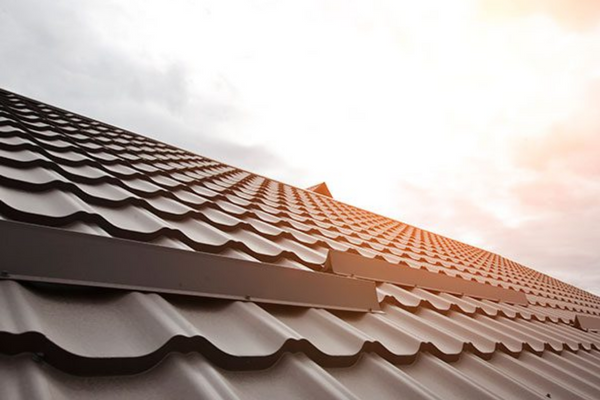
Comparing the Core Materials
Fiberglass shingles are constructed with a fiberglass mat that is coated with asphalt and topped with ceramic granules. They are lightweight, highly resistant to fire, and less prone to cracking.
Traditional Asphalt shingles (Organic) are made with a mat of paper felt or wood fibers saturated with asphalt. While generally heavier and more affordable, they are becoming less common as fiberglass technology advances.
Traditional Asphalt
A time-tested, budget-friendly option for homeowners focused on initial cost.
The Pros
- Lower upfront material cost.
- Thicker and more flexible in cold weather.
- Excellent for DIY-style smaller projects.
The Cons
- Heavier; more stress on the roof structure.
- Absorbs more moisture over time.
- Less environmentally friendly (uses more asphalt).
Fiberglass Shingles
The modern standard for durability, fire safety, and energy efficiency.
The Pros
- Superior fire resistance (Class A rating).
- Lighter and easier to install.
- Reflects more sunlight (Energy Efficient).
- Resistant to warping and wind damage.
The Cons
- Higher initial price point.
- Contains less asphalt, making it thinner.
- More fragile to walk on during installation.
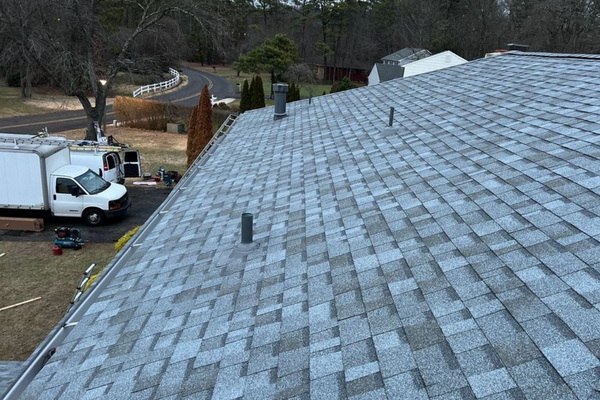
Maintenance & Longevity
Both materials typically last between 20 to 30 years depending on the quality of installation. However, fiberglass shingles are often more resistant to wind (up to 120 mph) and are less likely to experience the “growth of algae” streaks that can plague organic shingles in humid climates.
Conclusion
Whether you choose the traditional affordability of organic asphalt or the advanced protection of fiberglass, a new roof is a major investment in your home’s safety and value. Be sure to weigh your local climate and budget carefully before making your final decision.