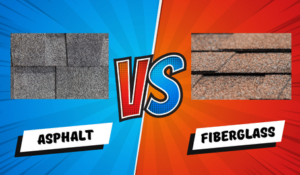
A metal roof lasts 40 to 70 years in the Pacific Northwest — roughly two to three times the 15 to 25 years asphalt shingles actually deliver in Western Washington’s climate. Where your roof lands in that range depends on the metal, the panel system, and a short list of maintenance habits. Here are the real numbers by material, what shortens them, and the per-year math that makes metal cheaper than it looks.
Metal roof lifespan by material and system
| System | Typical lifespan (PNW) | What usually ends it |
|---|---|---|
| Exposed-fastener steel (corrugated/ribbed) | 30–45 years | Fastener washers age; panels outlive the screws |
| Standing seam steel (snap-lock or mechanical) | 50–70 years | Finish fades long before the panel fails |
| Aluminum | 45–60 years | Denting; the metal itself cannot rust |
| Stone-coated steel | 40–60 years | Coating wear on high-traffic areas |
| Zinc | 80–100 years | Practically: the house changes before the roof does |
| Copper | 80–100+ years | Same — it patinas, it does not fail |
The system matters as much as the metal. A standing seam roof hides every fastener under the panel, so there are no rubber washers exposed to UV and rain — which is exactly the part that ages first on cheaper exposed-fastener systems.
Why metal outlasts everything else in Western Washington
Our climate kills asphalt in specific ways: constant moisture feeds moss that pries shingles apart, and granule loss accelerates once the surface stays damp for six months a year. Metal is immune to both — moss has nothing to root into on a smooth painted panel, and there are no granules to lose. Mild temperatures help too: metal here sees fewer extreme thermal cycles than in desert or hail states, so panels and fasteners move less.
Metal vs. other roofing materials, side by side
| Material | Realistic PNW lifespan | Replacements in 60 years |
|---|---|---|
| Asphalt shingles | 15–25 years | 3–4 roofs |
| Cedar shake | 20–30 years | 2–3 roofs |
| Metal (steel/aluminum) | 40–70 years | 1 roof, maybe 2 |
| Zinc / copper | 80–100+ years | 1 roof |
We covered the asphalt side in detail in our asphalt shingle lifespan guide, and the general picture across materials in how long a roof lasts in the Pacific Northwest. If you are choosing between the two systems, the metal vs. asphalt comparison walks through cost, look, and noise myths.
What actually shortens a metal roof’s life here
Aging fastener gaskets. On exposed-fastener systems, the rubber washer under each screw is the weak link — UV and rain harden it over 15–20 years. Skipping the re-fastening cycle is how a 45-year roof becomes a 30-year roof.
Debris sitting in valleys. Fir needles hold moisture against the panel and its cut edges. A roof that gets its valleys and gutters cleared every fall ages visibly slower than one that does not.
Dissimilar metals touching. A copper wire strung over steel panels, or the wrong flashing metal, sets up galvanic corrosion — the panel corrodes at the contact point. This is an installation-knowledge problem, not a material problem.
Salt air near Puget Sound. Within roughly a mile of saltwater, aluminum is the safer choice over steel; it cannot rust and shrugs off salt spray.
Untreated scratches and foot traffic. Deep scratches through the paint expose steel to moisture. They are easy to touch up — if someone looks for them once a year.
The maintenance that gets you to year 50
| Task | How often |
|---|---|
| Visual check + rinse off debris | Yearly |
| Clear valleys and gutters | Every fall |
| Touch up scratches in the finish | As spotted |
| Re-fasten / replace screws (exposed-fastener only) | Year 15–20 |
| Professional inspection | Every 2–3 years, and after big windstorms |
The per-year math: why the expensive roof is the cheap one
A standing seam metal roof runs $32,000–$54,000 installed on a typical Washington home, against $18,000–$28,000 for good asphalt. But stretch both over 60 years: metal is one roof; asphalt is three, plus decades of moss treatment. Per year of service, metal usually comes out cheaper — the full breakdown is in our metal roof installation cost guide.
Signs a metal roof is actually at end of life
Fading and chalking are cosmetic — the panel underneath is usually fine. The real end-of-life signals are widespread rust-through (not surface spots), seams separating or panels lifting, and leaks that come back after competent repair. Short of those, most “failing” metal roofs just need fasteners, flashing work, or a valley cleaned.
Find out how much life your roof has left
Prosperity Roofing installs and services metal roofing across King County — standing seam and exposed-fastener systems, with honest assessments of whether your current roof needs replacement or just service. Request a free assessment and get an answer in years, not guesses.