Understanding Downspouts: The Importance of Proper Drainage
Your home’s gutters play a crucial role in protecting your property from water damage. They collect rainwater and channel it away from your foundation, roof, and walls. But what happens to that water when it reaches the end of the gutter? This is where downspouts come in.
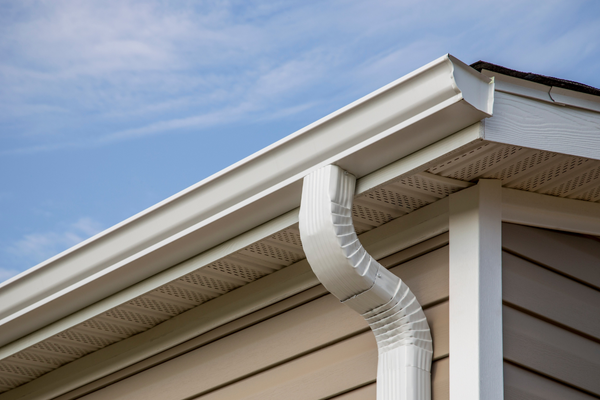
Downspouts, also known as leaders or drainpipes, are the vertical tubes that connect to the bottom of your gutters and lead water to the ground. They come in various sizes and materials, such as aluminum, copper, or PVC. Regardless of the material, the goal is always the same: ensuring water does not pool around your home and cause structural damage.
What Are Downspouts?
Downspouts are an essential component of any building’s drainage system. Typically made of metal, plastic, or vinyl, they are installed along the eaves of a building to channel rainwater from the roof to the ground. Their primary purpose is to direct water far enough away from the building’s foundation to prevent moisture-related structural issues.

Why Proper Downspout Placement Is Essential
Proper placement is key to ensuring water is directed away from your home. Poorly installed or misplaced downspouts can lead to a variety of expensive problems, including:
- Foundation Cracks: When water pools around the foundation, it causes soil expansion and contraction, leading to structural settling and cracks.
- Basement Flooding: If water isn’t directed away, it can seep through foundation walls and flood your basement or crawlspace.
- Landscape Erosion: Uncontrolled runoff can wash away expensive mulch, soil, and plants, damaging your curb appeal.
- Pest Infestations: Standing water is a breeding ground for mosquitoes and can attract rodents to your property.
Expert Tip: The 10-Foot Rule
To avoid foundation issues, we recommend placing downspout exits at least 5 to 10 feet away from your home’s foundation. This distance ensures water has enough room to dissipate safely. For maximum protection, consider installing underground drainage pipes or French drains.
The Importance of Regular Maintenance
Just like your gutters, your downspouts require regular maintenance to ensure they aren’t clogged or leaking. A functional drainage system requires three things:
- Regular Cleaning: Debris like leaves and twigs often get stuck in the “elbow” of the downspout.
- Frequent Inspection: Check for signs of rust, corrosion, or loose connections after major storms.
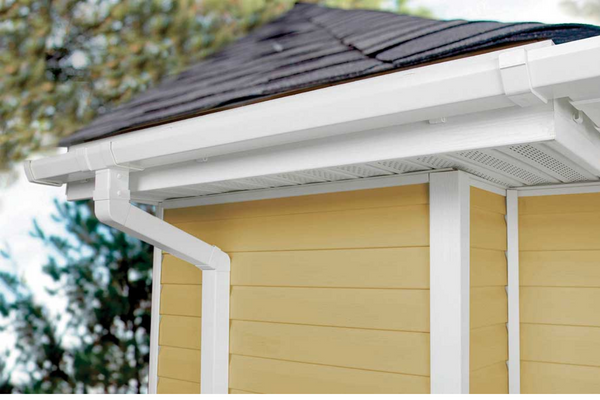
- Proper Extensions: If your downspouts drop water too close to the house, affordable extensions can be added to guide the water further away.
Conclusion
Downspouts play a vital role in the longevity of your home. By ensuring they are correctly placed and regularly maintained, you can protect your foundation, walls, and landscaping from the devastating effects of water damage.
Take the time to inspect your drainage system twice a year—it’s a small investment that can save you thousands in future repairs.